Does Bumble cost money?
Not to start using it.
Table of Contents
Bumble has a usable free dating experience, and the company itself describes its paid features as optional. You can create a profile, browse people, like profiles within Bumble’s free daily allowance, match when interest is mutual, and chat without buying a subscription.
What Bumble charges for is convenience: more likes, more control over who sees you, the ability to see who already liked you, stronger filters, travel tools, visibility boosts, and ways to recover opportunities you might otherwise miss.
So the smartest answer to does Bumble cost money is not simply yes or no.
Bumble is free to use, but you can pay to make the experience faster, more flexible, and more selective.
Because Bumble says pricing can vary by subscription tier, duration, package size, account, and location, this guide does not pretend there is one universal price everyone will see. Instead, it explains what is actually free, what each paid level currently adds, where to find your real price, and whether any of it is worth your money.
Quick Answer
So, does Bumble cost money?
No, not for the core dating experience. Bumble’s free version lets you use the main matching flow without a subscription.
You may pay for Bumble Boost, Bumble Premium, Bumble Premium+, Spotlight, SuperSwipe, Notes, and other consumables when available.
The best rule is simple: start free. Pay only when you can name the exact problem a paid feature would solve.
If you are getting matches and are simply impatient, money may not fix anything. If you repeatedly hit the free like allowance, lose matches to timing, want stronger filters, need Travel Mode, or care about Incognito Mode, paid features become easier to justify.
Is Bumble Free?
Yes.
This is the most important fact in any does Bumble cost money guide.
Bumble’s current paid-features documentation says its paid features are optional and that the service works without them.
On the free version, you can still create a profile, browse people, like profiles within the free allowance, match, and message once Bumble’s conversation rules allow the chat to begin.
Free Bumble has a daily like allowance
Bumble currently says free users have a daily like allowance. Once you reach the limit, your likes refresh 24 hours after you hit it.
That means free Bumble is not unlimited browsing.
But it is also not merely a preview screen designed to force an immediate purchase. You can genuinely test whether the local dating pool, matching style, and app experience work for you before spending anything.
Free users get one Extend per day
Bumble currently gives everyone one free Extend per day. An Extend gives a match more time before the opportunity to start the conversation expires.
Paid subscribers can get unlimited Extends depending on the plan.
That is a useful detail because the free version is slightly more flexible than many pricing articles make it sound.
Why Bumble Feels Like It Costs Money Even When It Is Free
If you keep wondering does Bumble cost money, it is usually because the app introduces paid options at the exact moments when free-user friction becomes noticeable.
If you landed here after asking does Bumble cost money, the app may already have shown you a paid feature.
That is normal.
Freemium dating apps place paid tools where users feel friction. You hit the like allowance. You accidentally swipe left. A match expires. You want stronger filters. You are traveling. You want fewer people to see your profile.
Those are the moments when Bumble’s paid plans become relevant.
The key is recognizing that friction is not the same as necessity.
You can use Bumble free. You are paying to remove specific limitations.
Bumble Free vs Paid: The Simple Difference
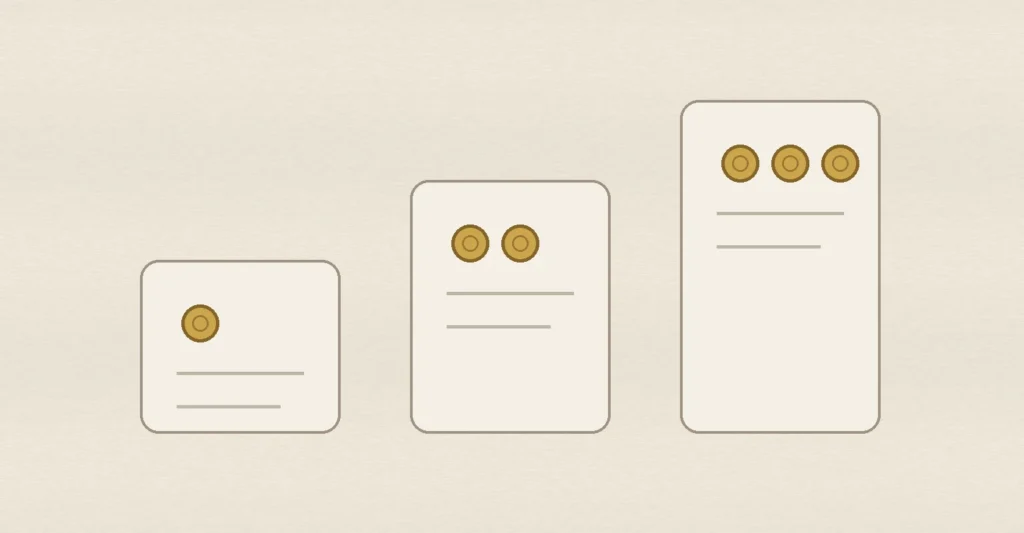
A clean does Bumble cost money comparison starts by separating core access from paid convenience.
| Feature or goal | Free Bumble | Paid options |
|---|---|---|
| Create a dating profile | Yes | Yes |
| Browse profiles | Yes | Yes |
| Like profiles | Yes, with daily allowance | Unlimited with subscriptions |
| Match and chat | Yes | Yes |
| One free Extend per day | Yes | More/unlimited Extends depending on plan |
| Undo accidental left swipes | No | Backtrack with paid plans |
| See everyone who already liked you | Limited | Liked You with Premium/Premium+ |
| Advanced Filters | Limited/basic experience | Premium/Premium+ |
| Incognito Mode | No | Premium/Premium+ |
| Travel Mode | No | Premium/Premium+ |
| Spotlight boosts | Purchase separately or included with plans | Included amounts vary by plan |
| SuperSwipes | Purchase separately or included with plans | Included amounts vary by plan |
| Profile/photo insights | No | Premium+ |
Free Bumble is enough to answer the first question: do I even like using Bumble?
Paid Bumble is for the second question: which frustrations am I willing to pay to remove?
What Does Bumble Boost Include?
If you are asking does Bumble cost money because the free limits are bothering you, Boost is usually the first paid tier worth understanding.
If you are asking does Bumble cost money because the free limits are bothering you, Boost is usually the first paid tier worth understanding.
According to Bumble’s current documentation, Boost includes unlimited likes, five SuperSwipes per week, one Spotlight per week, extra time through match extensions, rematching with expired connections, and unlimited Backtrack for accidental left swipes.
Think of Boost as the convenience tier.
It mainly removes the limits and timing annoyances of the free experience.
Who gets the most value from Boost?
Boost makes sense when you actively use Bumble, regularly reach the free like limit, occasionally lose matches because life gets busy, or care about Backtrack.
It can also make sense if you already know Bumble’s local pool works for you and the included weekly Spotlight or SuperSwipes are features you would actually use.
Who should skip Boost?
Skip it if you are still testing the app.
Also skip it if you are barely getting matches.
Unlimited likes do not automatically create stronger photos, a better profile, or a more compatible local dating pool.
What Does Bumble Premium Include?
The answer to does Bumble cost money changes most noticeably at Premium because you start paying for filtering, privacy, and travel rather than simply more activity.
The answer to does Bumble cost money changes most noticeably at Premium because you start paying for filtering, visibility control, and travel rather than simply more activity.
Premium includes the Boost features and adds Liked You, Advanced Filters, Incognito Mode, and Travel Mode.
Liked You
Liked You reduces blind browsing by showing people who already expressed interest.
This can be useful if you receive enough likes that sorting becomes the bigger problem.
Advanced Filters
Advanced Filters help narrow the pool using more specific preferences.
The real value is whether those filters remove profiles you would otherwise spend time reviewing.
Incognito Mode
Bumble says Incognito Mode shows your profile only to people you have already liked.
That can matter if you live in a small community, have a public-facing career, or simply prefer more control over who can encounter your dating profile.
Travel Mode
Travel Mode lets eligible paid users change location to another city.
It can be useful if you travel often, are relocating, or want to see a dating pool before arriving.
What Does Bumble Premium+ Include?
For people asking does Bumble cost money at its highest subscription level, Premium+ is the tier built around extra visibility and performance tools.
For people asking does Bumble cost money at its highest subscription level, Premium+ is the tier built around extra visibility and performance tools.
Premium+ includes Premium’s features plus photo performance insights, faster placement of your likes, additional prioritization in people’s feeds, two Notes per week, ten SuperSwipes per week, and two Spotlights per week according to Bumble’s current documentation.
This is the plan most focused on visibility and optimization rather than basic access.
Premium+ is a poor first purchase for a new Bumble user because you do not yet know whether visibility is your real bottleneck.
Does Bumble Cost Money for Spotlight?
Yes, does Bumble cost money for Spotlight is one of the easier questions: Spotlight is a paid visibility tool unless it is included in your subscription allotment.
Yes, Spotlight is a paid visibility feature unless you receive it as part of a paid plan.
Bumble says Spotlight pushes your profile toward the front so more people in your area can see it for a period of time. Spotlights can be included with subscriptions or purchased separately.
It makes the most sense if your profile already performs reasonably well and you only want a temporary visibility push.
More exposure does not fix a weak first impression.
Does Bumble Cost Money for SuperSwipe?
Likewise, does Bumble cost money for SuperSwipe depends on whether you buy it separately or receive it through a paid plan.
SuperSwipe is another optional paid feature.
It sends a stronger signal of interest than a normal like.
Bumble’s subscriptions include different numbers of weekly SuperSwipes, and they may also be available separately.
Use SuperSwipe selectively. Being more noticeable does not change the underlying compatibility.
What Are Bumble Notes?
For readers asking does Bumble cost money for pre-match messaging, Notes are part of Bumble’s paid-feature ecosystem rather than a standard unlimited free tool.
Bumble now uses Notes for the feature previously called Compliments.
A Note lets you send a short message based on something in someone’s profile before matching.
Premium+ currently includes a limited number of Notes per week, and Bumble also treats Notes as a paid consumable feature.
This can be more useful than a generic visibility boost if the message is actually thoughtful.
“Hey” with a paid wrapper is still “hey.”
How Much Does Bumble Cost Right Now?
This is where does Bumble cost money becomes account-specific, because Bumble does not present one universal price for every user.
This is where a lot of pricing articles become misleading.
Bumble does not publish one universal price that every person will necessarily see.
Its current pricing support page says costs for Boost, Premium, Premium+, and add-ons can vary based on subscription tier, duration, package size, account, and location.
So if another site tells you Bumble Premium always costs one exact amount, treat that figure as a snapshot rather than a permanent rule.
How to see your actual Bumble price
In the Bumble app:
- Open your profile.
- Tap Pay Plan.
- Review the current options for Premium+, Premium, Boost, Spotlight, and SuperSwipe.
That screen is a better source for your actual price than an old article, screenshot, forum comment, or stale search result.
This article deliberately avoids hard-coding prices because accuracy matters more than pretending a temporary price is universal.
Why Bumble Prices Can Look Different Online
That is why a does Bumble cost money search can produce several different price lists that were all accurate at different times or for different users.
You might search does Bumble cost money and find five different price lists.
That does not automatically mean one source is lying.
Prices can differ because one source is outdated, the plan duration differs, one price is weekly and another monthly, the user is in another market, a promotion is active, taxes differ, or Bumble changed its plan structure.
Always compare like with like.
A weekly Premium offer is not directly comparable to a three-month package.
A single Spotlight is not the same thing as a subscription that includes Spotlights.
Is Bumble Premium Worth It?
Once you know the answer to does Bumble cost money, the more useful question is whether Premium saves enough time or frustration to justify your actual in-app price.
Once you know the answer to does Bumble cost money, the more useful question is whether Premium saves enough time or frustration to justify your actual in-app price.
Premium may be worth it if you get enough likes that Liked You saves meaningful time, Advanced Filters are useful to you, Incognito Mode matters, or you genuinely use Travel Mode.
Premium is probably not worth it if you are new to Bumble, your profile needs work, your local pool feels weak, you rarely use the app, or you are buying after one slow week.
Bumble sells tools. It does not sell chemistry.
Is Bumble Boost Worth It?
If does Bumble cost money really means “do I need to pay to remove the free limits,” Boost is the most direct answer.
If does Bumble cost money really means “do I need to pay to remove the free limits,” Boost is the most direct answer.
Boost is easier to justify when your complaints are mechanical: the free like allowance bothers you, matches expire, you want Backtrack, or you want more flexibility without Premium-level controls.
If your problem is speed and friction, Boost is the cleaner option.
If your problem is screening and control, Premium is more relevant.
Is Bumble Premium+ Worth It?
If does Bumble cost money leads you toward Premium+, be especially clear about whether visibility and profile insights are actually the features you need.
Premium+ is harder to recommend broadly.
Its value depends on whether increased visibility and profile insights are genuinely useful to you.
If you have a polished profile and Bumble already works well in your area, Premium+ can help you experiment with reach and optimization.
If you are hoping the highest tier will transform a poor experience into a great one, keep the money.
The more expensive the plan, the more specific your reason for buying should be.
Bumble Boost vs Premium vs Premium+: Which Should You Choose?
Stay Free
Stay free if you are testing the app, do not mind the daily like allowance, get enough matches without upgrades, check the app consistently, and do not need privacy or travel features.
Choose Boost
Choose Boost if you want unlimited likes, expired connections annoy you, you want Backtrack, and you want more flexibility without Premium-level controls.
Choose Premium
Choose Premium if you want Liked You, Advanced Filters, Incognito Mode, Travel Mode, or more control over discovery.
Consider Premium+
Consider Premium+ if you already know Bumble works for you, want profile-performance information, and will actually use the larger weekly allotments of paid tools.
The Cheapest Way to Use Bumble
The simplest does Bumble cost money answer is still this: the cheapest usable version of Bumble is the free one.
The cheapest way is still free.
Before paying, improve everything that does not cost money.
Use clear photos.
Finish the profile.
Use prompts that give people something specific to respond to.
Be realistic about your location and preferences.
Reply to good matches.
Move promising conversations forward.
That is the unglamorous truth behind does Bumble cost money: a subscription can make the app easier to use, but it cannot make an unclear profile interesting.
Start Free Before Buying Anything
A good does Bumble cost money strategy begins with enough free use to identify the actual bottleneck before you subscribe.
Unless a specific paid feature is immediately essential to you, I would not subscribe on the first day.
Give the free version enough time to answer:
- Are there people here I actually want to meet?
- Am I getting any likes or matches?
- Do I like Bumble’s interaction style?
- Which limit bothers me most?
- Is the problem the app, my profile, or my expectations?
Then buy only if you can finish this sentence:
“I am paying because ______ keeps happening, and this feature directly fixes it.”
Watch the Auto-Renewal
Another practical does Bumble cost money issue is renewal: the subscription can keep billing even after you stop actively using the app.
If you subscribe, pay attention to renewal.
Bumble’s current subscription guidance says subscriptions renew automatically unless canceled before the renewal date.
It also says deleting your Bumble account does not automatically cancel your subscription.
That is an easy detail to miss.
If you want to stop paying, cancel through the platform or payment method where you subscribed.
Do not assume deleting the profile ends the billing.
Can You Cancel Bumble After Paying?
Yes.
Bumble says you keep paid benefits until the end of the subscription period after cancellation.
The exact cancellation steps depend on how you purchased the plan.
That means there is usually no reason to wait until the final minute to cancel auto-renewal if you already know you do not want another cycle.
What About Refunds?
Refund eligibility depends on your purchase platform, location, and what you bought.
Apple purchases are handled through Apple’s refund process. Google Play purchases are handled through Google Play. Some direct purchases can be handled through Bumble support.
Cancellation and refund are two different actions.
Does Paying for Bumble Get You More Matches?
Not automatically.
Paid features can increase visibility, expand browsing, or help you sort faster.
None guarantees that more people will like your profile.
Spotlight may expose the profile to more people. Premium may let you find existing admirers faster. Unlimited likes let you send more likes.
Matching still depends on the other person.
Can You Use Bumble Without Paying Forever?
Yes, and that matters because does Bumble cost money is ultimately a choice about optional upgrades, not a mandatory entry fee.
Yes, assuming the free features available to your account continue to meet your needs.
There is no rule saying you have to graduate into Premium.
Some users value paid convenience. Others tolerate the free limits.
Both choices are reasonable.
When Paying for Bumble Is the Wrong Question
Sometimes the real issue is not does Bumble cost money.
It is: is Bumble the right tool for what I am trying to do?
Bumble is designed for discovery and connection through a dating platform.
But suppose you already know exactly who you like: a classmate, friend, neighbor, former coworker, or someone in your social circle.
You do not need better discovery.
You need a way to handle uncertainty around a known person.
That is where a private mutual-interest model can be more relevant.
For example, wadaCrush is built around privately indicating interest in someone you already know rather than paying for more stranger discovery.
That does not make it a replacement for Bumble. It solves a different problem.
If you are actually trying to understand whether a real-life crush feels the same way, Can You Like Someone Privately? is the more relevant next read.
That is the only place wadaCrush needs to appear in this article.
Frequently Asked Questions
These does Bumble cost money FAQs cover the pricing and free-versus-paid questions people most often ask before subscribing.
Does Bumble cost money to message?
No subscription is required simply to use Bumble’s core matching and messaging experience. You still need to match and follow Bumble’s current conversation rules.
Is Bumble completely free?
Bumble offers a functional free version, but it includes limitations such as a daily like allowance. Paid plans add convenience, control, filters, visibility, and other features.
How much is Bumble Premium?
There is no single universal Bumble Premium price that is accurate for every user. Bumble says pricing varies by subscription tier, duration, package size, account, and location. Check Pay Plan in your app for the current amount offered to you.
What is the difference between Bumble Boost and Premium?
Boost focuses on convenience features such as unlimited likes, Backtrack, extensions, rematches, and included visibility tools. Premium adds Liked You, Advanced Filters, Incognito Mode, and Travel Mode.
What is Bumble Premium+?
Premium+ includes Premium’s features plus extra visibility and profile-performance tools, along with larger weekly allocations of features such as SuperSwipes and Spotlights.
Can I see who liked me on Bumble for free?
The Liked You queue is a Premium/Premium+ feature. The free experience still allows normal matching when mutual interest occurs.
Does Bumble have unlimited likes for free?
No. Bumble currently uses a daily like allowance for free users. Paid subscriptions can provide unlimited likes.
Does Bumble give any free match extensions?
Yes. Bumble currently says everyone gets one free Extend per day. Paid plans can provide unlimited Extends.
Does deleting Bumble cancel the subscription?
No. Bumble says deleting your account does not automatically cancel an active subscription. Cancel through the platform or payment method where you purchased it.
Is paying for Bumble worth it?
It is worth considering only when a paid feature solves a recurring problem. If you are still testing Bumble, have a weak profile, or are simply impatient, start free.
Final Thoughts
In the end, does Bumble cost money is less about access and more about how much convenience, control, and visibility you want to buy.
So, does Bumble cost money?
Only if you choose to pay for more convenience, visibility, filtering, or control.
The core dating experience is usable without a subscription.
Start free.
Figure out whether the app actually works for you.
Notice the specific limitation you keep running into.
Then decide whether Bumble Boost, Premium, Premium+, or a one-off feature fixes that limitation well enough to justify the price shown in your account.
Do not pay because the app made you curious.
Do not pay because you had a bad Tuesday.
And do not buy the most expensive plan just because it has the longest feature list.
The best Bumble plan is the cheapest one that solves a real problem.
Sometimes that is Premium.
Sometimes that is Boost.
And very often, it is still free.
Related wadaCrush guides
- Bumble Like Limit: How It Works, When It Resets & What to Do
- Is Bumble Safe in 2026? What Most Users Don’t Realize
Questions worth asking before you decide
Do not confuse more analysis with more information. Once you have a clear response, a boundary, or a consistent pattern, extra detective work rarely improves the decision. Use what you know, respect what you do not know, and keep the next action simple enough to reverse if the situation changes.
Do not confuse more analysis with more information. Once you have a clear response, a boundary, or a consistent pattern, extra detective work rarely improves the decision. Use what you know, respect what you do not know, and keep the next action simple enough to reverse if the situation changes.
What a balanced outcome looks like
Context changes the right move. A friend group, workplace, class, long-distance connection, or new match can each create different expectations around timing and privacy. The safest approach is usually the one that creates clarity while leaving the other person enough room to answer freely.
Context changes the right move. A friend group, workplace, class, long-distance connection, or new match can each create different expectations around timing and privacy. The safest approach is usually the one that creates clarity while leaving the other person enough room to answer freely.
Keep the next step proportionate
A strong decision is easier when you separate what happened from what you hope it means. Write down the observable facts, identify what is still uncertain, and choose a next step that does not require the other person to manage your anxiety. That keeps the advice useful even when the outcome is not the one you wanted.
A strong decision is easier when you separate what happened from what you hope it means. Write down the observable facts, identify what is still uncertain, and choose a next step that does not require the other person to manage your anxiety. That keeps the advice useful even when the outcome is not the one you wanted.
Use real behavior as the reference point
Context changes the right move. A friend group, workplace, class, long-distance connection, or new match can each create different expectations around timing and privacy. The safest approach is usually the one that creates clarity while leaving the other person enough room to answer freely.
Context changes the right move. A friend group, workplace, class, long-distance connection, or new match can each create different expectations around timing and privacy. The safest approach is usually the one that creates clarity while leaving the other person enough room to answer freely.
Make room for a clear answer
Context changes the right move. A friend group, workplace, class, long-distance connection, or new match can each create different expectations around timing and privacy. The safest approach is usually the one that creates clarity while leaving the other person enough room to answer freely.
Context changes the right move. A friend group, workplace, class, long-distance connection, or new match can each create different expectations around timing and privacy. The safest approach is usually the one that creates clarity while leaving the other person enough room to answer freely.
A final context check
A strong decision is easier when you separate what happened from what you hope it means. Write down the observable facts, identify what is still uncertain, and choose a next step that does not require the other person to manage your anxiety. That keeps the advice useful even when the outcome is not the one you wanted.
A strong decision is easier when you separate what happened from what you hope it means. Write down the observable facts, identify what is still uncertain, and choose a next step that does not require the other person to manage your anxiety. That keeps the advice useful even when the outcome is not the one you wanted.
Questions worth asking before you decide 7
Context changes the right move. A friend group, workplace, class, long-distance connection, or new match can each create different expectations around timing and privacy. The safest approach is usually the one that creates clarity while leaving the other person enough room to answer freely.
Context changes the right move. A friend group, workplace, class, long-distance connection, or new match can each create different expectations around timing and privacy. The safest approach is usually the one that creates clarity while leaving the other person enough room to answer freely.
What a balanced outcome looks like 8
Context changes the right move. A friend group, workplace, class, long-distance connection, or new match can each create different expectations around timing and privacy. The safest approach is usually the one that creates clarity while leaving the other person enough room to answer freely.
Context changes the right move. A friend group, workplace, class, long-distance connection, or new match can each create different expectations around timing and privacy. The safest approach is usually the one that creates clarity while leaving the other person enough room to answer freely.
Keep the next step proportionate 9
Context changes the right move. A friend group, workplace, class, long-distance connection, or new match can each create different expectations around timing and privacy. The safest approach is usually the one that creates clarity while leaving the other person enough room to answer freely.
Context changes the right move. A friend group, workplace, class, long-distance connection, or new match can each create different expectations around timing and privacy. The safest approach is usually the one that creates clarity while leaving the other person enough room to answer freely.
Use real behavior as the reference point 10
Do not confuse more analysis with more information. Once you have a clear response, a boundary, or a consistent pattern, extra detective work rarely improves the decision. Use what you know, respect what you do not know, and keep the next action simple enough to reverse if the situation changes.
Do not confuse more analysis with more information. Once you have a clear response, a boundary, or a consistent pattern, extra detective work rarely improves the decision. Use what you know, respect what you do not know, and keep the next action simple enough to reverse if the situation changes.
Make room for a clear answer 11
Context changes the right move. A friend group, workplace, class, long-distance connection, or new match can each create different expectations around timing and privacy. The safest approach is usually the one that creates clarity while leaving the other person enough room to answer freely.
Context changes the right move. A friend group, workplace, class, long-distance connection, or new match can each create different expectations around timing and privacy. The safest approach is usually the one that creates clarity while leaving the other person enough room to answer freely.
A final context check 12
Context changes the right move. A friend group, workplace, class, long-distance connection, or new match can each create different expectations around timing and privacy. The safest approach is usually the one that creates clarity while leaving the other person enough room to answer freely.
Context changes the right move. A friend group, workplace, class, long-distance connection, or new match can each create different expectations around timing and privacy. The safest approach is usually the one that creates clarity while leaving the other person enough room to answer freely.
Questions worth asking before you decide 13
Context changes the right move. A friend group, workplace, class, long-distance connection, or new match can each create different expectations around timing and privacy. The safest approach is usually the one that creates clarity while leaving the other person enough room to answer freely.
Context changes the right move. A friend group, workplace, class, long-distance connection, or new match can each create different expectations around timing and privacy. The safest approach is usually the one that creates clarity while leaving the other person enough room to answer freely.
What a balanced outcome looks like 14
Context changes the right move. A friend group, workplace, class, long-distance connection, or new match can each create different expectations around timing and privacy. The safest approach is usually the one that creates clarity while leaving the other person enough room to answer freely.
Context changes the right move. A friend group, workplace, class, long-distance connection, or new match can each create different expectations around timing and privacy. The safest approach is usually the one that creates clarity while leaving the other person enough room to answer freely.
Keep the next step proportionate 15
Do not confuse more analysis with more information. Once you have a clear response, a boundary, or a consistent pattern, extra detective work rarely improves the decision. Use what you know, respect what you do not know, and keep the next action simple enough to reverse if the situation changes.
Do not confuse more analysis with more information. Once you have a clear response, a boundary, or a consistent pattern, extra detective work rarely improves the decision. Use what you know, respect what you do not know, and keep the next action simple enough to reverse if the situation changes.
Use real behavior as the reference point 16
Do not confuse more analysis with more information. Once you have a clear response, a boundary, or a consistent pattern, extra detective work rarely improves the decision. Use what you know, respect what you do not know, and keep the next action simple enough to reverse if the situation changes.
Do not confuse more analysis with more information. Once you have a clear response, a boundary, or a consistent pattern, extra detective work rarely improves the decision. Use what you know, respect what you do not know, and keep the next action simple enough to reverse if the situation changes.
Make room for a clear answer 17
Context changes the right move. A friend group, workplace, class, long-distance connection, or new match can each create different expectations around timing and privacy. The safest approach is usually the one that creates clarity while leaving the other person enough room to answer freely.
Context changes the right move. A friend group, workplace, class, long-distance connection, or new match can each create different expectations around timing and privacy. The safest approach is usually the one that creates clarity while leaving the other person enough room to answer freely.
A final context check 18
Context changes the right move. A friend group, workplace, class, long-distance connection, or new match can each create different expectations around timing and privacy. The safest approach is usually the one that creates clarity while leaving the other person enough room to answer freely.
Context changes the right move. A friend group, workplace, class, long-distance connection, or new match can each create different expectations around timing and privacy. The safest approach is usually the one that creates clarity while leaving the other person enough room to answer freely.
Questions worth asking before you decide 19
Context changes the right move. A friend group, workplace, class, long-distance connection, or new match can each create different expectations around timing and privacy. The safest approach is usually the one that creates clarity while leaving the other person enough room to answer freely.
Context changes the right move. A friend group, workplace, class, long-distance connection, or new match can each create different expectations around timing and privacy. The safest approach is usually the one that creates clarity while leaving the other person enough room to answer freely.
What a balanced outcome looks like 20
Do not confuse more analysis with more information. Once you have a clear response, a boundary, or a consistent pattern, extra detective work rarely improves the decision. Use what you know, respect what you do not know, and keep the next action simple enough to reverse if the situation changes.
Do not confuse more analysis with more information. Once you have a clear response, a boundary, or a consistent pattern, extra detective work rarely improves the decision. Use what you know, respect what you do not know, and keep the next action simple enough to reverse if the situation changes.
Keep the next step proportionate 21
A strong decision is easier when you separate what happened from what you hope it means. Write down the observable facts, identify what is still uncertain, and choose a next step that does not require the other person to manage your anxiety. That keeps the advice useful even when the outcome is not the one you wanted.
A strong decision is easier when you separate what happened from what you hope it means. Write down the observable facts, identify what is still uncertain, and choose a next step that does not require the other person to manage your anxiety. That keeps the advice useful even when the outcome is not the one you wanted.