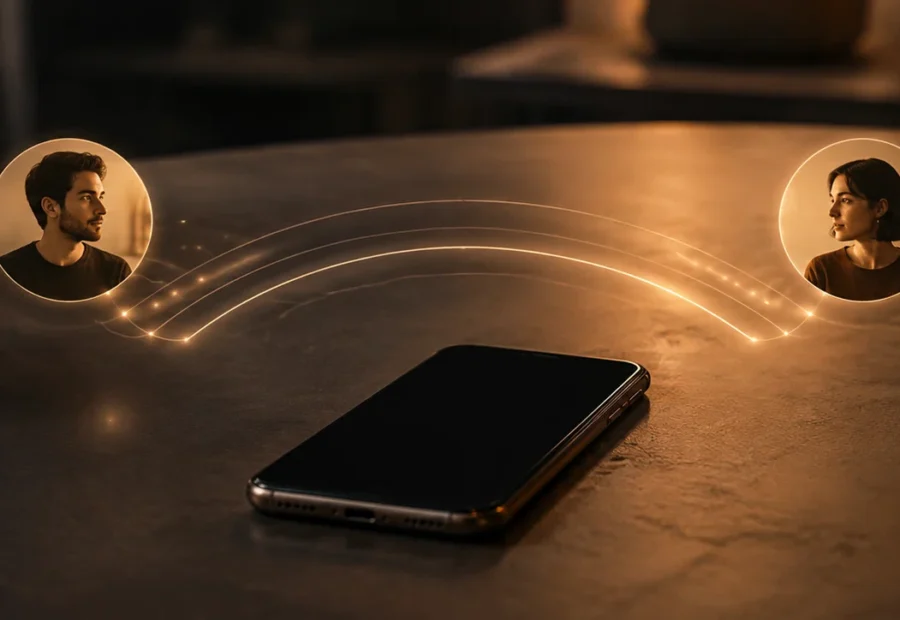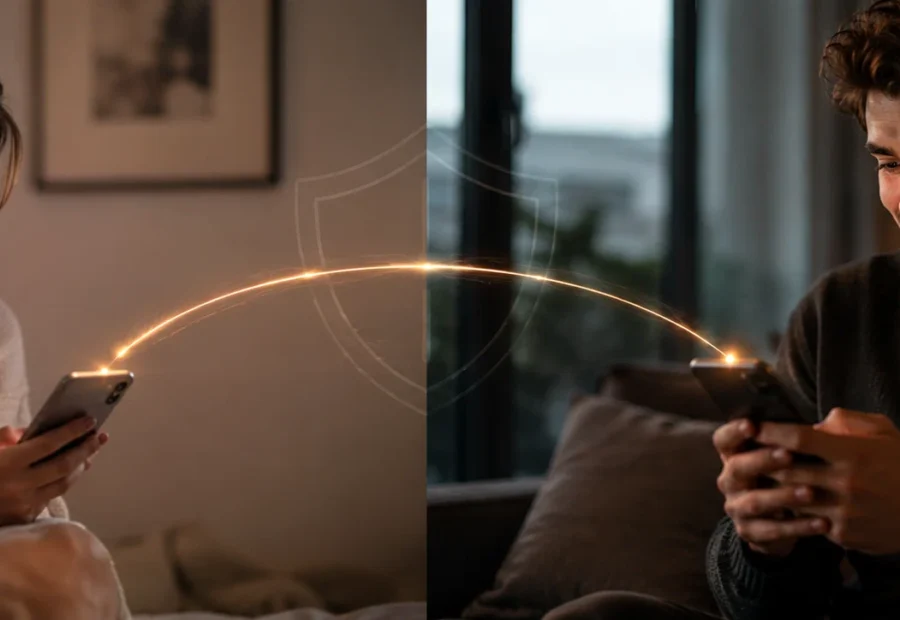

There is a big difference between having a feeling and knowing what to do with it. private crush signals works best when the first move is clear enough to understand and light enough that either answer can be handled normally.
The details around discreet crush signal and mutual interest are where that balance usually lives: privacy where it helps, directness where it matters, and no pressure disguised as persistence.
Table of Contents
A private crush signal is not a mind-reading device. It is a low-pressure way to say, “I’d be open to more,” without turning one lingering eye contact moment into a full group-chat emergency. This guide to the process helps you read real-world behavior first, then decide whether a respectful next move makes sense.
If you like someone you already know – a friend, classmate, coworker, or familiar face in your circle – the goal is not to decode every emoji. The goal is to look for a pattern of interest and choose a move that protects both people’s comfort. That is the lane wadaCrush was built for: known people, private by default, and identities masked until there is a mutual match.
What Are Private Crush Signals?

this approach are small, usually one-to-one signs that a person may be interested in you beyond basic friendliness. Think intentional check-ins, inside jokes that keep resurfacing, a little extra curiosity about your life, or a clear effort to spend time together.
The word private matters. Some people are naturally warm in public, especially around friends, at school, or at work. Their more meaningful signals often happen in quieter moments: a direct message after an event, remembering a detail you mentioned weeks ago, or finding a reason to continue a conversation when nobody is watching.
Still, context decides a lot. A coworker being kind may simply be professional. A friend who texts you every day may be emotionally close without wanting romance. This is why a guide to this situation should never tell you that one behavior equals a yes. You are looking for consistency, not courtroom-level evidence.
7 this approach That Usually Mean Something
Here is the quick vibe-check. None of these signs guarantee romantic interest on their own, but several happening repeatedly is worth noticing.
- They initiate without needing a reason. They send the meme, ask how your presentation went, or message because something reminded them of you.
- They remember the little stuff. Your favorite snack, the trip you were nervous about, the artist you mentioned once – details stick when attention is real.
- They make time, not excuses. Interest often looks like follow-through. They suggest plans, respond with substance, and do not leave every hangout in the “we should totally” zone.
- Their curiosity is personal. They ask about your dating life, future plans, family, opinions, or what actually makes you happy.
- They create one-on-one moments. Group hangs are great, but they look for the walk to the car, the coffee run, or the post-class catch-up too.
- They lightly flirt, then check your response. Teasing, specific compliments, playful eye contact, or a “you looked good today” can be a soft test. Respectful people do not push if the energy is not returned.
- They match your energy. You reach out, they meet you there. You suggest a plan, they help make it happen. that option tends to feel like a shared rhythm, not a solo project.
The Difference Between Friendly and Flirty
Friendly people can do almost all of the above. The difference is often selective investment. Are they this attentive with everyone, or is there a noticeable extra layer with you?
Look for direction as well as warmth. A person who likes you may steer conversations toward being alone together, ask whether you are seeing anyone, or make future plans that sound suspiciously date-shaped. A person who is simply friendly may be affectionate but keep the connection comfortably broad and group-based.
How to Stop Overthinking Every Signal
Crush brain can turn a two-word text into a 40-minute forensic analysis. Relatable, but not useful.
Try the three-pattern rule: before you decide a private crush signal means something, look for at least three separate moments of voluntary effort. Maybe they initiate a conversation, make time to see you, and follow up afterward. That is more meaningful than one late-night “you up?” message or one compliment at a party.
Also, pay attention to how you feel after interacting. Do you feel calm, seen, and respected? Or confused because they only show interest when bored, drinking, or needing attention? A good connection can have nerves, but it should not require you to shrink your standards.
Signals That Are Too Weak to Build a Story Around
A like on your post, fast replies once, casual physical proximity, or general politeness are not enough by themselves. Neither is someone being charming at an event. Some people are just social. No randoms, no assumptions, no assigning romantic meaning where there may be none.
If their attention disappears when you suggest a one-on-one plan, that is useful information too. It does not mean anyone did anything wrong. It just means the vibe may not be mutual in the way you hoped.
What to Do When the Vibe Feels Mutual
You have two solid options: make a small direct move or use a private mutual-intent signal. Which one fits depends on your comfort level and the social stakes.
A direct move works best when your relationship already has easy, open communication. Keep it simple and specific. Do not turn it into a speech.
Mini convo example:
> You: “I’ve really liked hanging out with you lately. Want to get dinner this week – like an actual date?” > > If they say yes: “Cute. Thursday or Saturday work better?” > > If they hesitate or say no: “All good. I value our friendship and wanted to be honest.”
That response keeps your dignity intact and gives them space. Shooting your shot is brave. Pressuring someone for a different answer is not.
If the friend-group, workplace, or class dynamic makes a direct ask feel loaded, a discreet approach can be kinder. With wadaCrush, you can send a crush to someone you know using their phone number or email, even if they are not already on the app. There are no public profiles, no stranger browsing, and no identity reveal unless they send interest back. It is a mutual-only setup designed to remove the audience from a very personal moment.
this situation Need Boundaries Too
Privacy is not a loophole for pursuing someone who has been clear they are unavailable or uninterested. A crush signal should be sent once, with no pressure to respond. Silence, a no, or a lack of reciprocity deserves the same respect as a direct answer.
This matters even more with coworkers, people in relationships, or anyone where power dynamics are involved. If one person has authority over the other, the safest move is usually not to make it romantic. If you share a tight friend group, choose discretion and avoid recruiting mutual friends as investigators. Your crush does not need a campaign manager.
Make the Move That Matches the Moment
The best private crush signals are clear enough to create possibility and gentle enough to preserve emotional safety. You do not need perfect timing, a flawless line, or proof that they are secretly writing your name in their notes app.
You only need a pattern that feels promising, respect for their answer, and a next step that fits your real-life connection. Whether you ask them out directly or use a private mutual pairing, keep the energy honest, calm, and low-drama. That is how a small vibe-check gets the chance to become something real.
the idea: what matters in real life
A good decision about private crush signals starts with context. How well do you know the person? Will you keep seeing each other if the answer is no? Is there any power imbalance, professional rule, or existing relationship that changes what a respectful move looks like? Those questions are more useful than trying to decode one emoji or one unusually warm conversation.
The healthiest version of private crush signals leaves space for a genuine yes and an uncomplicated no. Privacy can reduce unnecessary exposure, but it should never be used to keep pushing after the other person has shown disinterest.
discreet crush signal: the practical standard
that signal should make the situation easier to understand, not harder. If a method depends on guessing, repeated nudges, or making the other person investigate who is behind a message, it is creating more tension than clarity.
A better rule is simple: use discreet crush signal to create one clear opening, then watch what the other person chooses to do with it. Reciprocity matters more than clever tactics. When interest comes back voluntarily, you have useful information. When it does not, give the situation room.
mutual interest: how to keep the pressure low
this context works best when the other person never feels cornered into an immediate answer. That can mean choosing a private format, asking a specific but easy-to-decline question, or simply making one invitation and letting them decide whether to continue.
The point of the next step is not to eliminate vulnerability. Dating still involves uncertainty. The point is to remove avoidable social pressure so the answer reflects interest rather than discomfort.
Separate privacy from secrecy
Privacy protects a moment that does not need an audience. Secrecy is different: it can become a way to avoid accountability. With private crush signals, the useful middle ground is discreet at first and normal once interest is mutual.
If two people are interested, the next step should eventually become an ordinary conversation. If the feeling is not mutual, the private approach should make it easier to move on without exposing anyone or turning the situation into gossip.
A realistic way to read the response
Imagine you make one low-pressure move connected to private crush signals. A positive response usually creates forward motion: they answer the actual question, suggest a time, continue the conversation, or make their own effort. A vague response is different. It may simply mean uncertainty, busyness, or lack of interest.
You do not need to interrogate the ambiguity. Give it space. If the other person wants to keep the connection moving, they can participate. That approach protects both people and keeps private crush signals from turning into a one-sided project.
Three mistakes worth avoiding
1. Treating one signal like a guarantee
Warmth, eye contact, fast replies, or a good conversation can be encouraging, but none of them creates an obligation. Use them as context, not proof.
2. Repeating the move until you get the answer you want
One respectful attempt is information. Repeated attempts after a weak or negative response create pressure. discreet crush signal should reduce that pressure, not disguise it.
3. Making privacy the entire relationship
If that pattern becomes clear, move toward accountable communication. mutual interest is a bridge to clarity, not a permanent substitute for talking.
How to decide whether this approach fits you
private crush signals is most useful when you already have a real person and a real social context in mind. It is less useful when what you actually want is broad discovery, constant novelty, or a way to contact someone who has never invited interaction.
Ask yourself what problem you are solving. If the problem is “I like someone I know and I want a lower-pressure way to find out whether the feeling might be mutual,” then private crush signals can be a sensible framework. If the problem is simply meeting more strangers, a different tool may fit better.
What to do after the answer
If the answer is positive, keep the next step ordinary. Suggest coffee, a walk, or another simple plan that lets the two of you talk without suddenly acting as though one signal settled the entire relationship.
If the answer is negative or nothing develops, the cleanest response is to accept it. No detective work, no public postmortem, and no attempt to turn private crush signals into a second chance mechanism. Handling the answer well is part of making the first move well.
Keep online dating safety separate from chemistry
Good chemistry does not remove ordinary safety judgment. If a connection moves online, keep financial information private and be cautious about anyone who creates urgency around money or investment requests.
The Federal Trade Commission’s romance scam guidance describes common patterns used to build trust before asking for money. That is broader safety advice rather than a comment on private crush signals, but it belongs in the same practical checklist.
this kind of connection: the bottom line
The strongest version of private crush signals is not the one that guarantees a yes. It is the one that gives you a clear, respectful way to learn something real without creating unnecessary pressure for either person.
Use discreet crush signal to keep the first move intentional, use mutual interest to protect the other person’s freedom to choose, and let reciprocity determine what happens next. That standard works whether the answer becomes a date, a friendship, or simply useful clarity.
FAQ
What is the simplest way to think about that first move?
Think of private crush signals as one respectful way to reduce uncertainty. Make one clear move, protect privacy where it is useful, and let the other person’s response—not your hopes—set the pace.
Does that approach guarantee that someone is interested?
No. discreet crush signal can create a cleaner situation, but it cannot manufacture attraction. Look for voluntary reciprocity and avoid treating one signal as proof.
When should I stop?
Stop when the answer is no, when the response repeatedly stays vague without any effort to continue, or when the context makes an approach inappropriate. Respecting that boundary is part of using mutual interest well.
What happens if the feeling is mutual?
Move toward a normal conversation. Privacy can make the first moment easier, but mutual interest works best when both people can communicate openly about what they want next.
Keep reading
- Is Encrypted Crush Messaging Really Private?
- Example of Private Crush Confession That Works
- Private Mutual Crush App Guide That Works
One more useful test for private crush signals is whether the approach still feels respectful after the excitement wears off. If you would be comfortable with the same behavior being described plainly to a friend, that is a good sign. If the plan depends on hiding persistence, creating urgency, or making the other person feel responsible for your emotions, simplify it.
It also helps to separate attraction from compatibility. discreet crush signal can tell you something about interest, but it cannot answer every question about timing, values, or whether two people actually work well together. Treat the first signal as the beginning of information, not the end of the decision.
When you are unsure, choose the option with less social pressure. mutual interest should leave the other person more freedom, not less. A clean invitation, a private signal, or a little extra time can all be better than forcing a high-stakes conversation before either person is ready.
Look for repeated effort, not one clue
A useful way to think about this is to make the next decision smaller. The best way to use private crush signals is to look for patterns, not a single dramatic clue. discreet crush signal is more convincing when it repeats over time, and mutual interest matters most when the other person is choosing to participate too.
When in doubt, prefer the option that is easy to reverse and easy for the other person to decline.
Context changes what a signal means
A useful way to think about this is to make the next decision smaller. With private crush signals, context keeps you grounded. Treat discreet crush signal as evidence, not proof, and use mutual interest to decide whether one low-pressure next step makes sense.
You should be able to explain the choice plainly without needing a complicated theory about what the other person secretly meant.
Reciprocity is the strongest signal
A strong approach gives both people more clarity, not more pressure. A healthy read on private crush signals leaves room for uncertainty. Combine discreet crush signal with observable behavior, then let mutual interest show up through voluntary effort rather than guesswork.
If the response is clear, respect it. If it is mixed, give the situation enough space for the other person to contribute without being chased.